
When Regulators Turn to Comic Books, the Problem Is Real
On National Insurance Awareness Day, Insurance Regulatory and Development Authority of India Chairman Ajay Seth unveiled something unusual for a financial regulator: a comic book series. Titled Supriya's Bima Diaries, the series follows a young life insurance advisor named Supriya who helps readers understand how financial decisions affect long-term security. The stories explain concepts like the Married Women's Property Act, Waiver of Premium riders, and Critical Illness riders through relatable scenarios rather than technical jargon.
The initiative, developed with the life-insurance industry, is part of the broader Insurance for All vision. Better insurance literacy can help consumers understand product type, disclosures, beneficiaries and riders, but it cannot guarantee that a future claim will be paid; claim outcomes still depend on the policy terms, facts and evidence.
The Staggering Numbers Behind the Comics
The launch event featured a panel discussion titled India Asks: Why Prioritize Life Insurance? The statistics discussed explain why this question even needs to be asked.
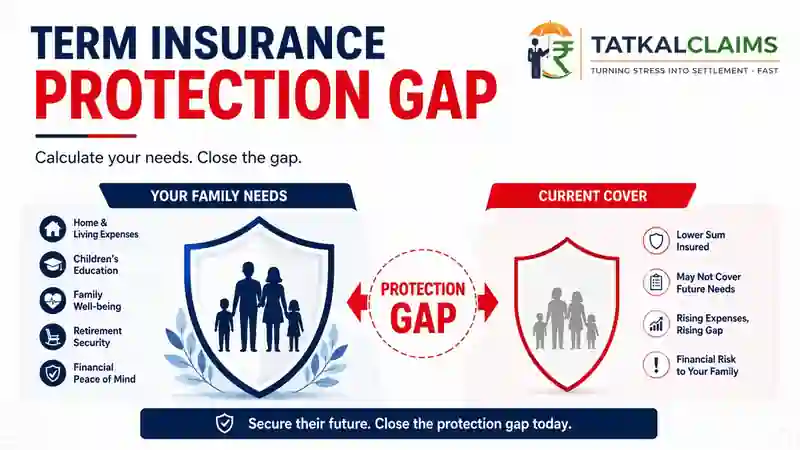
According to industry reporting around the launch, India's life-insurance industry recorded 15.7% year-on-year growth in New Business Premium during FY26 and issued more than 2.83 crore policies. The Insurance Awareness Committee under the Life Insurance Council estimates a life-insurance protection gap of 87%, exceeding 90% among people aged 18-35. These are industry/IAC estimates, not IRDAI claim-rejection statistics.
Insurance literacy is one factor that can improve purchasing and claim preparedness, but underinsurance and claim disputes also arise from product design, affordability, mis-selling, underwriting, policy exclusions, evidence and claim administration. It is too strong to reduce the issue to a single 'literacy problem.'
What the Comic Books Teach, and Why It Matters for Claims
The comic book series focuses on three concepts that are directly relevant to preventing claim disputes. Understanding these before you buy can save your family from a rejection letter when they are most vulnerable.
The Married Women's Property Act
The MWP Act is one of the most powerful but least understood tools in life insurance. When a policy is effected under the MWP Act, the proceeds are protected from the policyholder's creditors and cannot be attached by courts for debt recovery. The wife and children are the beneficiaries, and the policyholder cannot change this nomination without their consent.
At Tatkal Claims, we have seen cases where a deceased policyholder's family lost the insurance proceeds to creditors because the policy was not taken under the MWP Act. The comic book explains this through Supriya's stories, making it accessible to first-time buyers who would never read a legal statute.
Waiver of Premium Riders
A Waiver of Premium rider ensures that if the policyholder becomes totally and permanently disabled due to accident or illness, all future premiums are waived while the policy continues in full force. Without this rider, a disabled policyholder who cannot work may be forced to let the policy lapse, losing years of coverage and all premiums paid.
Many policyholders do not even know this rider exists, let alone whether their policy includes it. When disability strikes and the premium notices keep coming, they surrender the policy in distress. The comic book brings this concept to life through storytelling, showing why riders matter in real-world scenarios.
Critical Illness Riders
A Critical Illness rider pays a lump sum upon diagnosis of specified serious illnesses like cancer, heart attack, or stroke. This is separate from the death benefit and can be used for treatment, lifestyle changes, or replacing lost income during recovery.
Policyholders often confuse this with the main policy coverage. They assume their life insurance will pay for cancer treatment, when in fact the base policy only pays upon death. The critical illness rider is what covers the treatment phase. Without it, the family faces medical bills with no living benefit. Supriya's stories clarify this distinction in ways that policy documents never do.
Why Literacy Is Your Best Defence Against Claim Rejection
Tatkal Claims sees disputes involving disclosure, coverage expectations and claim procedure, but there is no verified basis here for saying the vast majority of all claim rejections stem from poor understanding at the point of purchase.
First, non-disclosure or misrepresentation. The policyholder did not understand what constituted a material fact and failed to disclose a medical condition, lifestyle habit, or family history. The insurer rejects the claim based on this non-disclosure. If the policyholder had understood the duty of disclosure, they would have provided complete information.
Second, coverage confusion. The policyholder bought an investment-linked plan thinking it was pure protection, or bought a savings plan thinking it covered critical illness. When the claim arises for the wrong type of event, the policy does not respond. The policyholder feels cheated, but the policy document clearly states what is and is not covered.
Procedural mistakes such as incomplete documentation can delay or complicate a claim, but a missing document or non-network hospital does not automatically mean there will be no payout. The effect depends on the policy, claim type and whether deficiencies can be cured.
All three categories are preventable through better literacy. The policyholder who understands their duty of disclosure, their coverage scope, and their claim procedures is far less likely to face a rejection.
The Gap Between Selling and Understanding
Kamlesh Rao, chairperson of the Insurance Awareness Committee, said the comic book initiative seeks to make insurance concepts more accessible and encourage greater understanding of life insurance among consumers. Aditya Gupta, secretary general of the Life Insurance Council, added that the industry would continue working with the regulator to strengthen consumer awareness.
This is welcome. But it also highlights a structural problem. The industry has been selling complex products for decades through commission-driven agents who are incentivised to close sales, not to educate buyers. The result is a market where policies are sold but not understood, where premiums are collected but claims are disputed, and where the protection gap widens despite record premium growth.
Comic books are a creative response, but they are not a substitute for systemic reform. IRDAI has already proposed overhauling agent commissions to curb mis-selling. The regulator has mandated standardised products like Saral Jeevan Bima to simplify choices. And it has enforced strict claim settlement timelines to protect policyholders.
But the fundamental challenge remains: how do you make millions of Indians understand a complex legal contract when they have never been taught financial literacy?
What You Should Do Before You Buy Your Next Policy
Whether you learn from a comic book, a blog post, or a financial advisor, here are the non-negotiable steps you must take before purchasing any life insurance policy.
Understand the product type. Is it pure term insurance, an endowment plan, a money-back policy, or a unit-linked insurance plan? Each serves a different purpose. Do not buy an investment product when you need protection.
Know the coverage trigger. Does the policy pay on death, on diagnosis of critical illness, on disability, or on survival to maturity? Know exactly what event triggers the payout.
Read the exclusions. Every policy has them. Suicide within the first year, death due to adventure sports, pre-existing conditions, and substance abuse are common exclusions. Do not discover them after the claim is filed.
Disclose everything. Medical history, family history, smoking, drinking, occupation, and hobbies. Material non-disclosure is the leading cause of claim rejection. When in doubt, disclose.
Nominate correctly. Ensure your nominee details are accurate and updated. A claim dispute over nomination can delay or deny the payout when your family needs it most.
Understand the claim process. Know where to file, what documents are required, and what the timelines are. Keep your policy document, premium receipts, and medical records in a safe, accessible place.
Review annually. Your life changes, and your coverage must change with it. Marriage, children, new loans, and health diagnoses all alter your insurance needs.
Bottom Line
IRDAI's comic-book initiative is a practical attempt to improve insurance literacy. The Insurance Awareness Committee's 87% protection-gap estimate and more-than-90% estimate for ages 18-35 underline a broader underinsurance challenge, but they should not be interpreted as claim-rejection rates.
But literacy is not just about knowing what insurance is. It is about understanding what your policy covers, what it excludes, how to file a claim, and how to challenge a rejection. It is about moving from passive awareness to active protection.
At Tatkal Claims, we fight for policyholders who have been let down by a system that sold them products they did not understand. But the best claim is the one that never needs to be disputed because the policyholder knew exactly what they bought and how to use it.
If you are unsure whether your life insurance actually protects your family, review it today. If your claim has been rejected, delayed, or disputed, challenge it. And if you need help navigating the system, we are here.
Facing a life insurance claim rejection or unsure whether your policy actually covers what you think it does? Contact our legal team at Tatkal Claims for expert assistance in protecting your rights and securing the benefits your family deserves.