
You paid the hospital bill and sent the discharge summary to your insurer. The rejection letter came back with one line about the hospital having fewer than 10 beds. Before asking the hospital for a bed-count letter, open the definitions section of your policy. If it allows a hospital to qualify through recognised registration or through a set of facility criteria, the insurer may have checked only one of those routes.
Can an Insurer Reject a Claim Because the Facility Does Not Qualify as a Hospital?
An inpatient benefit can depend on treatment at a facility that meets the policy’s definition of a hospital. A refusal is worth reviewing if the insurer applied the wrong policy version, counted beds at a different branch or overlooked valid registration recognised by the wording. Where the facility cannot meet the applicable definition or another coverage condition applies, the denial may be harder to challenge.
IRDAI’s health insurance master circular requires insurers to explain repudiation or partial disallowance with reference to the specific policy terms. If the letter says only “hospital criteria not met,” ask the insurer to identify the clause, the exact criterion it says failed and the facts behind the finding.
Read the Registration and Bed-Count Parts of the Clause Together
For example, the HDFC ERGO my: Optima Secure and TATA AIG MediCare wordings reviewed for this guide describe registration under specified laws or compliance with a group of minimum criteria. Where your own wording uses that structure, first check whether the facility qualifies through recognised registration. If the insurer relies on the alternative criteria, check the full list.
In the cited wordings, that list includes at least 10 inpatient beds in towns with a population below 10 lakh and 15 inpatient beds elsewhere. It also refers to round-the-clock qualified nursing staff and medical practitioners, operating theatre facilities and daily patient records. Where all the criteria apply together, proof of bed capacity settles only the bed-count question.
Use the wording and endorsements issued for your policy term. Ask which locality and population source the insurer used if it applies a 15-bed threshold. The hospital’s name, brand or number of beds advertised online may give you a lead. The appeal needs evidence of the branch’s inpatient facilities at the time of treatment.
Which Registration Certificate Should You Request?
Ask the hospital administrator for the establishment’s certificate, with the issuing authority, legal name, address, facility category and period of validity. The Central Clinical Establishments Act applies in the states and union territories that have brought it into force. State or local registration requirements can differ. Ask which law covers the branch and how the insurer considered that certificate under your policy.
If the certificate uses a proprietor or company name and your bill uses a trade name, ask the hospital for a signed letter connecting the names to the same address. A doctor’s medical council certificate establishes the doctor’s registration. Ask separately for the document that establishes the facility’s registration.
| Insurer’s reason | What to ask for | What to check |
|---|---|---|
| Facility was unregistered | Facility registration certificate and any renewal covering the treatment period | Issuing authority, branch address, category and validity |
| Hospital had too few beds | Dated inspection or licensing record showing inpatient capacity, and a hospital administrator’s confirmation | Whether the figures identify inpatient beds, the correct branch and the right period |
| Hospital lacked required staffing or facilities | Branch-specific staffing confirmation or relevant inspection records | Which criterion the policy applies and whether the evidence covers the admission date |
| Insurer used a different branch or name | Itemised bill, discharge summary and a letter linking the legal and trading names | Matching address, admission date and registration number |
| Letter says only ‘hospital criteria not met’ | Written clause, finding and basis for the finding | Whether the insurer is questioning registration, capacity, another criterion or a separate exclusion |
When the Insurer’s Bed Count Conflicts With the Hospital’s Records
Ask the insurer to identify the document or visit that produced its count, the date and the address inspected. Ask whether the figure represented the facility’s inpatient capacity, the beds operating on the inspection date, or just beds in one ward. A certificate issued after your admission is stronger when it identifies the records it relied on and expressly confirms the earlier capacity.
In Oriental Insurance v. Jiwan Kumar and connected appeals, decided in January 2024, the Punjab State Consumer Commission examined a rejection based on a TPA’s finding of eight beds. A Punjab Pollution Control Board authorisation for the same facility recorded 10 beds. The commission accepted the capacity evidence and upheld the district commission’s order. It also observed that the doctor’s registration certificate did not establish registration of the hospital itself.
The order shows how a dated record for the exact facility can help resolve conflicting counts. A biomedical waste authorisation can be evidence of capacity where it records that figure. Check separately what document proves registration under your policy and the applicable law.
What If the Hospital Was Non-Network or the Procedure Was Day Care?
Check the written reason before collecting evidence. Network status concerns the insurer’s arrangement with the provider. A definition-based refusal concerns eligibility of the facility under the policy. A named-provider exclusion may raise its own questions about the clause, list and effective date.
If the letter relies on delisting or an excluded provider, see the guide to hospital network removal and reimbursement.
If you went to a dedicated day-care centre, check the policy’s day-care centre definition and the procedure benefit. A centre may have its own eligibility criteria, including registration where applicable, staffing, equipment and records. A short stay also needs to meet the procedure and coverage terms.
If the insurer’s reason concerns the length of admission, see the under-24-hours and day-care claim guide.
Build a Claim File the Insurer Can Recheck
- Put the schedule, policy wording, applicable endorsements and denial letter together. Highlight the definition and any coverage clause referred to in the decision.
- Add the admission record, discharge summary, itemised bill and payment receipts. Use the branch address exactly as shown on the treatment record.
- Attach the registration certificate or dated facilities evidence that answers the insurer’s finding. Ask the hospital to explain any difference in name, address, dates or bed figures.
- Ask the insurer to share the specific finding it relied on and review the claim against the new evidence. Keep dated copies of submissions and the grievance acknowledgement.
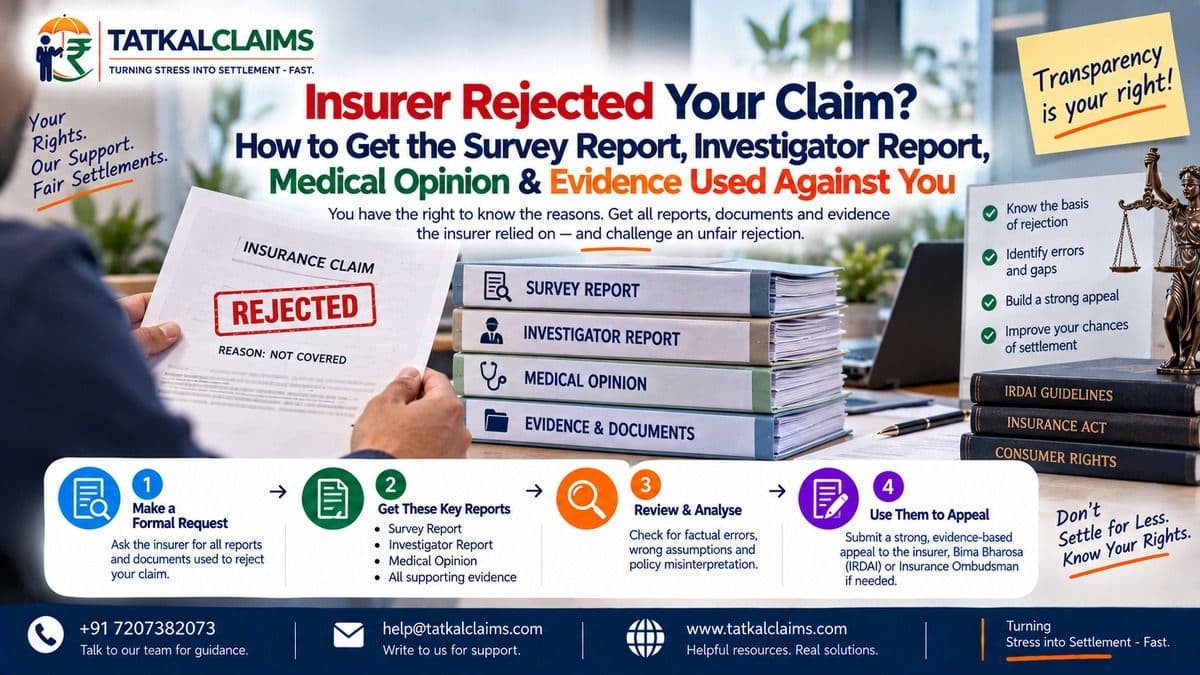
If an investigator or TPA report drove the decision, use the guide to requesting the claim evidence from the insurer for wording you can adapt.
Sample Appeal for a Hospital-Definition Rejection
Subject: Reconsideration of claim [number] for admission at [hospital and branch] on [date]
Your letter dated [date] states that the treating facility did not satisfy [reason quoted from the letter]. Please identify the policy definition and criterion applied, and confirm the branch and date your team assessed. If your decision relies on a bed count, please explain the source of the figure and the threshold used for that location.
I attach [registration certificate or facilities records], which show [specific fact] for [address and relevant dates]. Please confirm whether you considered the registration route in the wording, if applicable, and explain how you assessed the attached records. I request a fresh review and a written decision citing the policy terms and evidence.
Escalate if the Insurer Maintains the Denial
Send the reconsideration request and evidence to the insurer’s Grievance Redressal Officer. In the opening paragraph, state exactly where the insurer’s finding and the dated facility records disagree. Keep the acknowledgement. If the insurer’s response is unsatisfactory or the grievance remains unresolved within the applicable period, use IRDAI’s Bima Bharosa portal.
For an eligible dispute, the Insurance Ombudsman is another route after you complain to the insurer. The Council’s rules set out the response threshold, filing deadline and restrictions on taking the same dispute to more than one forum. Include the policy, repudiation letter, grievance correspondence and facility records in date order.
For help deciding where to file, see the comparison of Bima Bharosa and the Insurance Ombudsman.
How Tatkal Claims Can Help
Tatkal Claims can compare the insurer’s denial with the wording in force, identify which facility records are missing and help prepare a clause-by-clause request for reconsideration. Share the rejection letter, policy schedule, admission date and branch address so the review starts with the evidence the insurer used.
Frequently asked questions
Can health insurance reject a claim because the hospital had fewer than 10 beds?
Check your definition of hospital. Some wordings provide a recognised registration route as an alternative to facility criteria. Where the bed-count criterion applies, check the population threshold, the correct branch and evidence from the time of admission.
Is a licence in the doctor’s name enough for a mediclaim appeal?
A doctor’s professional registration identifies the doctor. Ask for the establishment’s registration or licence, which should identify the facility and its address and be valid on the treatment date.
What if the insurer says 15 beds were required?
Ask the insurer to point to the policy clause and identify the locality and population source it used. Then compare its assessment with dated evidence of inpatient capacity for the branch.
Can a hospital qualify if it is outside my insurer’s network?
It may meet the hospital definition even when it is non-network. Check reimbursement terms and any separate provider exclusion. Cashless access depends on the insurer’s arrangements and applicable requirements.
Can a biomedical waste authorisation prove hospital registration?
It may help show bed capacity if it records a count for the branch and period in question. For registration, check which document the applicable authority issues and which registration route your policy recognises.
Can I appeal with a hospital letter issued after discharge?
You can submit it. Ask the administrator to cite the facility records it relied on and confirm the relevant facts as they stood on your admission date. Include dated supporting documents where available.
Can I challenge a hospital-definition rejection after an emergency?
You can request reconsideration. Include the emergency admission record, the policy definition and facility evidence, and ask whether any applicable emergency clause affects the decision. The facts and policy terms will determine coverage.
Sources & Methodology
This guide compares two insurer wordings, the IRDAI rule on explaining a claim rejection, public registration guidance and a fact-specific consumer commission order. The cited clauses illustrate why the wording and date matter. Use the documents issued for your policy and the registration rules applicable to the treatment branch. This is general information and individual outcomes depend on the evidence and coverage terms.